If you have been following digital marketing trends lately, you have probably noticed one word appearing everywhere — AI (Artificial Intelligence). As a digital marketer, I can confidently say that AI is no longer just a futuristic concept. It has become a practical tool that marketers use every day to work smarter, not harder.
Today, digital marketing is all about speed, data, and personalization. Customers expect quick responses, relevant recommendations, and engaging content. Managing all of this manually can be challenging. That’s where AI steps in and makes things much easier.
In this article, I want to share how AI is currently playing a powerful role in digital marketing and how businesses can benefit from it.
AI Helps Create Content Faster:
Content is the backbone of digital marketing. Blogs, social media posts, emails, and advertisements all require consistent content creation. But coming up with fresh ideas regularly can sometimes feel overwhelming.
AI tools have made this process much faster. As a marketer, I often use AI to generate blog outlines, content ideas, ad headlines, and social media captions. It helps speed up the writing process and provides creative suggestions.
Of course, human creativity is still essential. AI helps with the first draft, but the final touch should always reflect the brand’s voice and personality.
AI Improves Customer Understanding:
One of the biggest advantages of AI is its ability to analyze large amounts of data. Digital marketing generates a lot of data — website visits, clicks, search queries, and customer behavior.
AI tools can study this information and identify patterns. This helps marketers understand what customers want, when they want it, and how they interact with content online.
Because of this, businesses can create more personalized marketing campaigns. Instead of showing the same advertisement to everyone, AI helps display the right message to the right audience.
AI Makes Advertising Smarter:
Running digital ads without proper analysis can waste a lot of money. AI has made online advertising much more efficient.
Today, many advertising platforms use AI to automatically optimize campaigns. These systems analyze performance data and adjust targeting, budgets, and bids to improve results. From my experience as a marketer, AI-driven advertising helps businesses reach potential customers more effectively while reducing unnecessary spending.
AI Supports SEO and Keyword Research:
Search engine optimization (SEO) is another area where AI is extremely helpful. Finding the right keywords, analyzing competitors, and optimizing content can take a lot of time.
AI-powered SEO tools simplify this process. They analyze search trends, suggest keyword opportunities, and provide recommendations to improve website rankings.
For bloggers and businesses, this means creating content that aligns better with what people are actually searching for online.
AI Chatbots Improve Customer Experience:
Customer communication has also changed significantly because of AI. Many businesses now use AI-powered chatbots on their websites.
These chatbots can answer common questions, guide users through services, and provide instant responses to visitors. Since they operate 24/7, customers receive support even outside business hours.
From a marketing perspective, this improves user experience and helps capture potential leads more efficiently.
AI Automates Repetitive Marketing Tasks:
Another major benefit of AI in digital marketing is automation. Many repetitive tasks can now be handled automatically.
For example, AI can help with:
Email marketing automation
Social media scheduling
Lead tracking
Performance analysis
This allows marketers like me to spend less time on routine tasks and more time focusing on strategy and creativity.
Final Thoughts:
From my perspective as a digital marketer, AI has become one of the most valuable tools in the industry today. It helps marketers analyze data faster, create content more efficiently, and deliver personalized experiences to customers.
However, AI works best when combined with human creativity and strategic thinking. The goal is not to replace marketers but to enhance their capabilities.
As digital marketing continues to evolve, businesses that embrace AI will likely stay ahead of the competition and build stronger connections with their audience.
In 2026, the way customers discover and interact with businesses has changed dramatically. Most people search online before buying a product, visiting a store, or choosing a service. Whether someone wants a nearby restaurant, a clothing boutique, or a professional service, the first step is usually a quick search on the internet.
For small businesses, this shift means one important thing: having a professional website is no longer optional — it is essential. A website acts as the digital face of a business, helping customers learn about services, products, and brand values anytime and from anywhere.
Many small business owners still rely only on social media pages or word-of-mouth marketing. While these methods can help, they cannot replace the credibility, visibility, and control that a website provides. In this article, we will explore why every small business needs a website in 2026 and how it can help businesses grow, attract more customers, and stay competitive in an increasingly digital world.
The Digital Behavior of Customers in 2026:
Today’s customers are highly dependent on the internet for information. Before making a purchase decision, they often research businesses online, compare options, read reviews, and check services.
Search engines like Google have become the primary tool people use to discover businesses. If a business does not appear in search results, potential customers may never even know it exists.
For example, imagine someone searching for:
“Best bakery near me”
“Website designer for small business”
“Affordable marketing services”
If your business has a website optimized for search engines, it can appear in these results and attract new customers. Without a website, you are essentially invisible to a large portion of the market.
A Website Builds Trust and Credibility:
First Impressions Matter
In the digital age, a website is often the first interaction a customer has with a business. A well-designed website instantly communicates professionalism and reliability.
When potential customers see a modern, informative website with clear services, testimonials, and contact information, they feel more confident about choosing that business.
On the other hand, if a business has no website, customers may question its legitimacy or professionalism.
Customers Expect Businesses to Have Websites
Today, people naturally assume that legitimate businesses have websites. If someone searches for a business and cannot find an official website, they may move on to a competitor that provides more information online.
A website helps answer common customer questions such as:
What services do you offer?
What are your prices?
Where are you located?
How can customers contact you?
By providing these details clearly, a website reduces uncertainty and builds trust.
A Website Works for Your Business 24/7:
One of the biggest advantages of a website is that it is always available. Unlike physical stores or offices that operate during specific hours, a website works around the clock.
Customers can visit your website at any time to:
Learn about your services
Browse products
Read reviews
Submit inquiries
Book appointments
This 24/7 availability means your business can attract and engage customers even while you sleep. For small businesses, this creates an opportunity to generate leads and inquiries continuously without additional effort.
Websites Help Businesses Appear in Search Results:
The Power of Search Engines
Search engine visibility is one of the strongest reasons small businesses need websites. When people search for products or services online, businesses with optimized websites have a chance to appear in search results.
Tools like Google Search Console help website owners monitor how their site performs in search results and identify opportunities for improvement.
By publishing useful content and optimizing pages with relevant keywords, businesses can attract visitors who are actively looking for their services.
Local Search Visibility
Local search is particularly important for small businesses. When someone searches for services nearby, search engines show local businesses that match the query.
Platforms such as Google Business Profile allow businesses to appear in local search results and maps. However, having a website connected to this listing significantly improves visibility and credibility. A website also provides detailed information that cannot always be included in a business listing.
A Website Gives Full Control Over Your Brand:
Many businesses rely heavily on social media platforms to promote their services. While social media can be useful, it comes with limitations.
Platforms like Instagram and Facebook control how content is displayed and who sees it.
Algorithm changes can reduce the visibility of posts overnight, making it harder for businesses to reach their audience.
A website, however, gives complete control over your brand’s online presence.
With a website, you can:
Present your brand exactly how you want
Showcase services and portfolio
Share customer testimonials
Publish informative blog content
Collect leads and inquiries directly
This level of control is essential for long-term business growth.
Websites Help Generate More Leads and Customers:
Converting Visitors Into Customers
A well-structured website is not just an online brochure. It can actively generate leads and convert visitors into customers.
By including clear calls-to-action such as:
“Get a Free Consultation”
“Request a Quote”
“Book an Appointment”
businesses can encourage visitors to take the next step.
Contact forms, live chat features, and inquiry forms make it easy for customers to connect with a business instantly.
Showcasing Services and Results
A website also allows businesses to demonstrate their expertise. For example, service-based businesses can include:
Portfolio or project examples
Case studies
Customer testimonials
These elements help convince potential customers that the business can deliver real results.
Websites Support Digital Marketing Strategies:
A website acts as the central hub for all digital marketing activities. Whether a business uses search engine optimization, social media marketing, or online advertising, all efforts usually lead back to the website.
For example, businesses running ads through Google Ads can direct users to landing pages designed to convert visitors into leads.
Without a website, it becomes difficult to run effective digital marketing campaigns.
Additionally, a website allows businesses to publish blogs, guides, and articles that attract organic traffic over time.
Websites Help Businesses Stand Out From Competitors:
Competition among small businesses is increasing every year. In many industries, customers have multiple options to choose from.
A well-designed website can differentiate a business from competitors by highlighting:
Unique services
Competitive advantages
Customer success stories
Professional branding
Businesses that invest in strong websites often appear more established and trustworthy compared to competitors with limited online presence.
This advantage can significantly influence purchasing decisions.
Websites Provide Valuable Customer Insights:
Modern websites provide analytics tools that help businesses understand customer behavior.
For example, platforms like Google Analytics allow businesses to track:
Number of visitors
Traffic sources
Most popular pages
User behavior on the website
These insights help businesses improve their marketing strategies and focus on what works best. Understanding customer behavior is essential for making informed business decisions.
Websites Support Business Growth and Scalability:
As a business grows, its website can grow with it. New services, products, and features can easily be added to accommodate expansion.
For example, businesses can add:
Online booking systems
E-commerce stores
Blog sections
Customer support portals
A website becomes a flexible platform that evolves alongside the business.
This scalability makes it one of the most valuable long-term investments a small business can make.
Conclusion:
In 2026, having a professional website is no longer a luxury for small businesses — it is a necessity. A website helps businesses build credibility, reach new customers, and compete effectively in an increasingly digital marketplace.
From appearing in search results to generating leads and supporting marketing campaigns, a website plays a critical role in business growth. It works 24/7, provides valuable customer insights, and gives businesses full control over their online presence.
Small businesses that invest in well-designed, optimized websites are better positioned to attract customers, build strong brands, and succeed in the modern digital economy.
As technology continues to evolve, the importance of having a strong online presence will only increase. For small businesses looking to grow and stay competitive, building and maintaining a professional website is one of the smartest decisions they can make. 🚀
In digital marketing, understanding your audience is essential for success. One of the most effective tools used by marketers is the customer persona. A customer persona is a semi-fictional profile that represents your ideal customer based on research, data, and real customer insights.
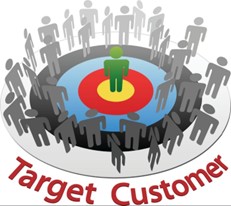
Instead of targeting everyone, businesses focus their marketing efforts on people who are most likely to be interested in their products or services. A customer persona usually includes details such as age, profession, goals, interests, challenges, and online behavior.
For example, a digital marketing company may create a persona of a small business owner who wants to grow online but lacks marketing knowledge. By understanding this person’s needs, the company can create content and marketing strategies that directly help them.
In simple terms, a customer persona helps businesses understand who their customers are and how to communicate with them effectively.
Importance of Customer Persona in Digital Marketing
Creating a customer persona plays a crucial role in building successful marketing strategies. Without knowing the target audience, marketing campaigns often become unfocused and less effective.
One of the biggest advantages of a customer persona is better audience targeting. When businesses clearly understand who their ideal customers are, they can design campaigns that directly match customer interests and needs.
Another important benefit is improved content creation. Businesses can write blog articles, social media posts, emails, and advertisements that speak directly to their audience. When people feel that a brand understands their problems, they are more likely to trust it.
Customer personas also help companies select the right marketing platforms. For example, if the target audience spends more time on Instagram or LinkedIn, businesses can focus their efforts on those platforms.
Additionally, customer personas help businesses improve their products and services by understanding customer expectations and challenges.
Overall, a clear customer persona helps businesses make smarter marketing decisions and achieve better results.
Key Elements of a Customer Persona
A strong customer persona includes several important details that help businesses understand their target audience more clearly.
Demographic Information: This includes basic details such as age, gender, education, occupation, and income level. These factors help identify the general characteristics of the audience.
Goals and Motivations: Every customer has certain goals. Some want to grow their business, save time, or solve a specific problem. Understanding these motivations helps businesses create relevant solutions.
Pain Points or Challenges: Pain points are the problems customers face. Identifying these challenges allows businesses to position their products or services as helpful solutions.
Online Behavior: This explains how customers use the internet. For example, they may search on Google, read blogs, watch videos, or engage on social media platforms.
Buying Behavior: Some customers research extensively before purchasing, while others make quick decisions. Knowing this helps businesses design effective marketing strategies.
Together, these elements create a clear picture of the ideal customer.
How to Create an Effective Customer Persona
Creating a customer persona requires research and careful analysis. The first step is collecting data about existing customers through website analytics, customer feedback, and social media insights.
Businesses can also conduct surveys or interviews to understand customer needs, preferences, and challenges. Direct feedback provides valuable insights that help build accurate personas.
After gathering information, marketers should identify common patterns among customers. For example, many customers may share similar goals or problems. These patterns help define the persona.
Next, businesses can create a detailed persona profile that includes a name, background, goals, challenges, and preferred communication channels. Giving the persona a realistic identity helps marketing teams understand their audience better.
Finally, businesses should update their customer personas regularly because customer behavior and market trends change over time.
Conclusion
In today’s competitive digital world, understanding customers is more important than ever. A well-defined customer persona helps businesses gain clear insights into their audience’s needs, behaviors, and motivations.
By using customer personas, companies can create targeted marketing campaigns, produce relevant content, and improve customer engagement. Instead of guessing what customers want, businesses can make informed marketing decisions.
In simple words, a customer persona acts as a guide that helps businesses connect with the right audience and build long-term success in digital marketing.
You can subscribe to our newsletter which is send once in a week to keep you updated with latest news and new trends.

Today, most customers search online before making a purchase decision. Whether someone is looking for a nearby restaurant, a new smartphone, or professional services, the first step is usually a quick search on the internet. This shift in consumer behavior has made digital marketing one of the most important strategies for businesses of all sizes.
Every brand uses digital marketing to build awareness, attract potential customers, and grow their business online. The best part is that digital marketing is measurable, flexible, and cost-effective compared to traditional marketing.
Need of Digital Marketing:
In today’s digital world, businesses cannot rely only on offline marketing methods. People spend a large part of their day online—browsing websites, watching videos, checking social media, and searching for information. This is exactly where digital marketing helps businesses reach their audience.
One of the biggest reasons digital marketing is important is online visibility. If a business does not appear online, potential customers may never discover it. A strong digital presence helps companies showcase their products and services to people who are already interested in them.
Another important benefit is targeted marketing. It allows businesses to reach specific audiences based on age, interests, location, and behavior. This increases the chances of converting visitors into customers.
Digital marketing also provides measurable results. Businesses can track website traffic, clicks, conversions, and customer engagement. This data helps marketers understand what works and improve their strategies for better results.
In simple terms, digital marketing helps businesses stay competitive, reach more people, and grow faster in an increasingly online world.
Core Concepts:
To understand digital marketing better, it is important to know its key components. Each concept plays a unique role in building a strong online presence.
Search Engine Optimization (SEO)
SEO is the process of improving a website so it appears higher in search engine results. When people search for products or services related to a business, SEO helps the website appear in front of them organically. Good SEO includes keyword optimization, quality content, fast website speed, and user-friendly design.
Social Media Marketing (SMM)
Social Media Marketing focuses on promoting brands through platforms like Facebook, Instagram, LinkedIn, and Twitter. Businesses use social media to engage with their audience, share valuable content, run advertisements, and build a strong community around their brand.
Search Engine Marketing (SEM)
SEM refers to paid advertising on search engines. Businesses can display ads at the top of search results using platforms like Google Ads. This helps companies reach people who are actively searching for related products or services.
Email Marketing
Email marketing is one of the most effective ways to communicate directly with customers. Businesses send newsletters, promotional offers, updates, and personalized messages to subscribers. It helps build long-term relationships and encourages repeat purchases.
Content Marketing
Content marketing involves creating valuable and informative content such as blogs, videos, guides, and infographics. Good content attracts visitors, builds trust, and improves SEO performance.
How to Take Benefit of Digital Marketing:
Businesses can gain significant advantages by using digital marketing in the right way. The first step is building a professional website that clearly explains products, services, and brand identity. A well-designed website acts as the central hub of all digital marketing activities.
The next step is improving visibility through SEO and content marketing. When businesses create helpful and relevant content, they attract visitors who are actively searching for solutions.
Using social media platforms effectively also helps build brand awareness and customer relationships. Regular posts, interactive content, and targeted advertisements can significantly increase engagement.
Another powerful strategy is running paid campaigns through Google Ads or social media ads. These campaigns help businesses reach potential customers quickly and generate leads.
Finally, businesses should always analyze their performance using digital analytics tools. By studying data such as traffic, engagement, and conversions, companies can continuously improve their marketing strategies.
In conclusion, digital marketing provides businesses with powerful tools to reach the right audience, build trust, and achieve sustainable growth in the digital era.
You can subscribe to our newsletter which is send once in a week to keep you updated with latest news and new trends.